







Search Results for: price war
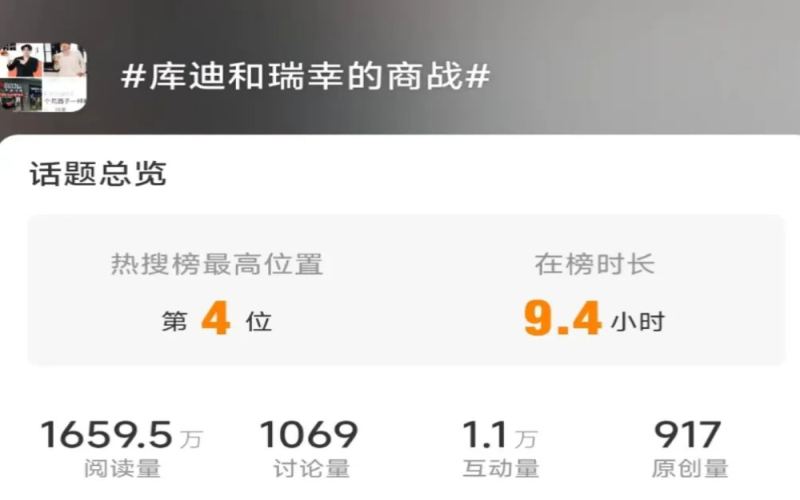
The Luckin vs. Cotti Coffee War Trends on Social Media Again: From Price Battles to Market Research, the Bundling and Hidden Concerns of Low-Priced Coffee
The competition between Luckin and Cotti has once again become a hot topic on Weibo, staying on the trending list for over nine hours with over 16.59 million views. The two brands have been going head-to-head from store locations to product pricing, with 9.9 yuan and 8.8 yuan coupons becoming the focus of consumers' attention. However, industry observers point out that the two are not evenly matched, and Cotti seems to be chasing Luckin's pace. Behind this business war, consumers' pursuit of value for money is the core, and whether the price war can continue and what impact a truce would bring are issues worth watching. [more…]
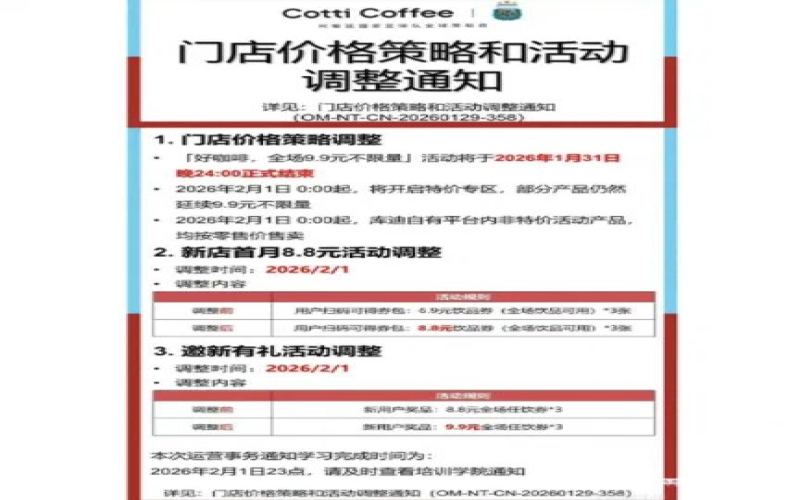
Cotti Coffee officially ends its sitewide unlimited 9.9 yuan promotion, coffee industry price war may be nearing a turning point
Recently, a "Notice on Store Pricing Strategy and Promotion Adjustments" for Cotti Coffee circulating on social media has drawn widespread attention. The notice shows that Cotti will end its "9.9 yuan unlimited across the board" promotion at 24:00 on January 31, and switch to a special-offer section model starting February 1, with only some products continuing at 9.9 yuan unlimited, while other non-discounted products will be sold at retail prices. New-store first-month promotions and refer-a-friend rewards will also be adjusted accordingly. As the brand that kicked off the 9.9 yuan price war in February 2023, does this move by Cotti signal a turning point for China's coffee price war? Consumers, franchisees, and industry observers are all watching closely. [more…]
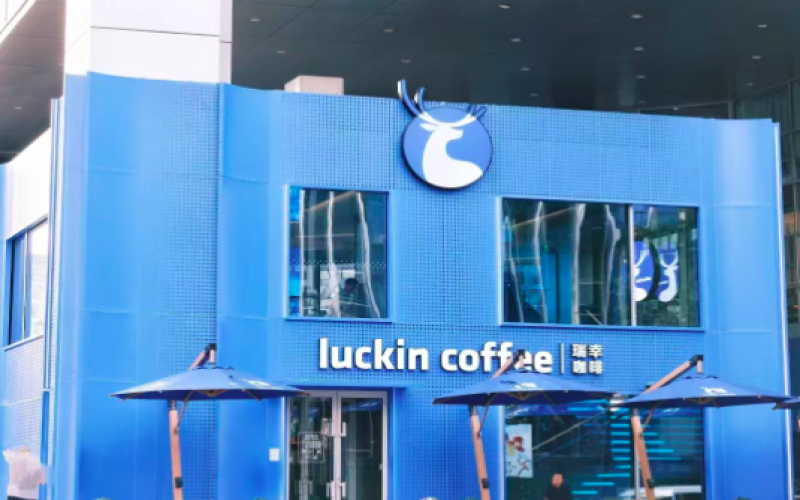
Luckin surpasses 20,000 stores but faces profit pressure: the coffee industry dilemma behind the price war and declining same-store sales
Luckin Coffee's Q2 2024 financial report shows total net revenue of 8.403 billion yuan and net profit of 871.1 million yuan, with the total number of stores approaching 20,000. However, same-store sales at self-operated stores fell 20.9% year-on-year, and Starbucks' same-store sales in the Chinese market also dropped 14%. Beneath the surface of growth in both revenue and store count, the same-store data reveals hidden concerns. The price war continues to escalate, with promotions of 9.9 yuan or even 6.6 yuan emerging one after another. Brands are trading low prices for sales volume, yet profitability pressure is hard to conceal. Leading brands and small and medium-sized brands alike are caught in the scramble for locations, with stores opening ever more densely while the survival space of individual stores is continuously squeezed. This article will combine the latest financial report data to analyze why Luckin finds it harder to make money amid scale expansion, and to explore the evolution of the competitive landscape in the coffee industry. [more…]
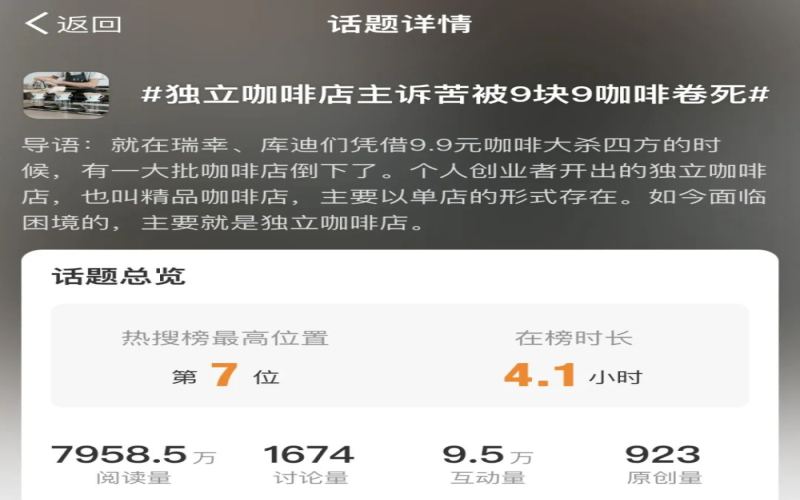
Independent coffee shops hit by the 9.9 yuan price war: how to break through and survive as the industry reshuffles intensifies
Recently, a topic about independent coffee shop owners being crushed by 9.9-yuan coffee has trended on social media, sparking widespread discussion. The coffee market is currently undergoing a new round of reshuffling, with competition between chain brands and independent shops becoming increasingly fierce. Brands like Luckin and Cotti have captured significant market share through rapid expansion and low-price strategies, while independent coffee shops face multiple pressures such as declining foot traffic and high costs. Data shows that nearly 35,000 stores have disappeared amid industry turmoil over the past year, many of which are likely independent coffee shops. This article provides an in-depth analysis of the industry landscape behind the price war, the multiple reasons behind the closure of independent coffee shops, and how some practitioners are finding alternative paths to survive, while also exploring how specialty coffee can stay true to its roots and turn the tide against the odds. [more…]

Red Sea shipping disruptions drive up coffee transport costs, war risk surcharges introduced, global prices continue to climb
Recently, the security situation in the Red Sea and the Gulf of Aden has remained tense, causing most shipping companies to suspend or adjust routes through the Suez Canal and instead divert around the Cape of Good Hope. In its latest monthly logistics report, Swiss coffee trader Sucafina noted that frequent armed attacks have sharply increased risks near the Bab-el-Mandeb Strait; some carriers have resumed passage, but several companies, including CMA CGM and Maersk, have announced they will impose war risk surcharges. Route changes have extended shipping cycles by 2 to 3 weeks, reduced container turnover efficiency, and tightened capacity, which may further push up freight rates. Meanwhile, coffee transport in East African producing regions has been disrupted by truck and fuel shortages, with severe congestion at ports such as Dar es Salaam. Although Vietnamese robusta coffee prices have edged down slightly, Brazilian coffee prices have continued to rise on drought concerns. Front Street Coffee notes that supply chain pressure is transmitting from the shipping side to the consumption side, and coffee prices still face upside risks in the short term. [more…]

The Pricing Dilemma of Small Coffee Shops Under the 9.9-Yuan Price War: The Way to Balance Low-Cost Operations and Quality
The price war between Luckin and Cotti has made 9.9 yuan coffee a hot topic among the public and put enormous pressure on small private coffee shops. Yet one 9.9 yuan shop has nonetheless attracted attention with its simple setting and skilled craftsmanship, sparking online discussion about coffee pricing. Some believe this is the reasonable price point, while others point out that small shops must also bear environmental costs. Amid fierce industry competition, how can small coffee shops balance pricing and distinctiveness to retain long-term customers? Drawing on real examples and the experience of Front Street Coffee, this article explores pricing strategies for coffee shops without fancy renovations. [more…]
Under the Luckin-Cotti price war, the survival dilemma and future path of small-town independent coffee shops
The National Bureau of Statistics announced that it would suspend the publication of urban surveyed unemployment rates by age group starting in August. Previously, the youth unemployment rate reached as high as 21.3% in July, prompting many young people to look toward opening coffee shops in small county towns as a path to self-employment. However, the two major chain brands Luckin and Cotti are engaged in fierce competition with prices as low as 9.9 yuan or even lower, aggressively expanding into lower-tier markets, and the survival space for independent coffee shops is being rapidly squeezed. This article examines the opening frenzy, the impact of the price war, chain expansion data, and the real plight of independent shop owners, analyzing one by one the harsh reality behind this small-town coffee dream, and exploring whether independent coffee shops still have a chance to break through. [more…]
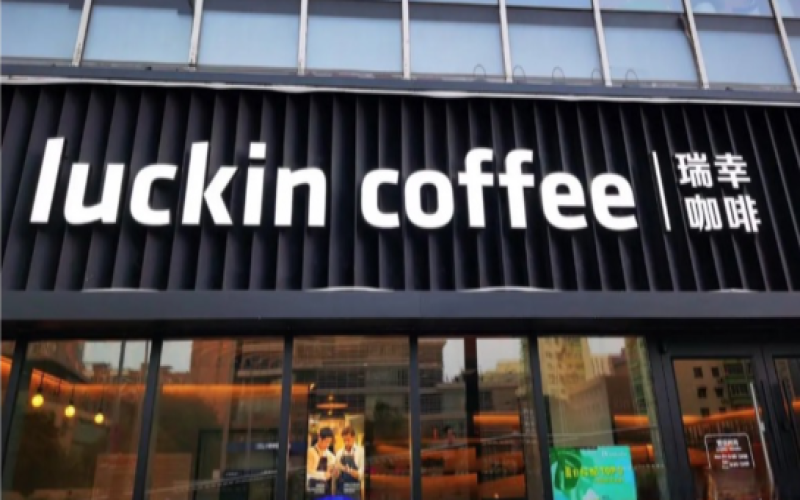
Luckin adds ten thousand stores in a year, overtaking Mixue Ice Cream & Tea; behind the scale expansion lies mounting profit pressure and the dilemma of a price war.
Luckin Coffee has broken records in the chain coffee industry at an astonishing speed, adding 10,000 net new stores within a year, bringing its total store count close to 20,000, with an expansion pace even surpassing Mixue Bingcheng. However, alongside this runaway scale, problems have followed one after another: a swing from profit to loss in the first quarter, a decline in net profit margin in the second quarter, and a year-on-year drop in same-store sales at directly operated stores. The 9.9 yuan promotional campaign has lowered the average transaction value, making it a real challenge to increase revenue without increasing profit. Facing a price war with rivals such as Cotti and Starbucks, how Luckin balances scale and profitability will be a key proposition for its future operations. [more…]

Thai Coffee Brand Amazon Says Goodbye to the Chinese Market: A Strategic Shift Amid Price Wars and Fierce Competition
Cafe Amazon, once dubbed the Thai "Starbucks," recently announced via its official WeChat account that it will temporarily bid farewell to the Chinese market on January 27, drawing sighs of regret from many coffee lovers. Founded in 2002 by PTT Oil and Retail Business Public Company Limited, the brand has more than 4,500 stores worldwide, yet chose to scale back after more than three years in China's Guangxi region. Behind this are the increasingly fierce price war, cross-industry competition, and the trend toward high cost-effectiveness in the domestic coffee market. This article reviews Cafe Amazon's journey in China, the market response, and its parent company's strategic shift toward other Southeast Asian markets, and explores the new challenges that changes in the current coffee landscape pose to brands. [more…]
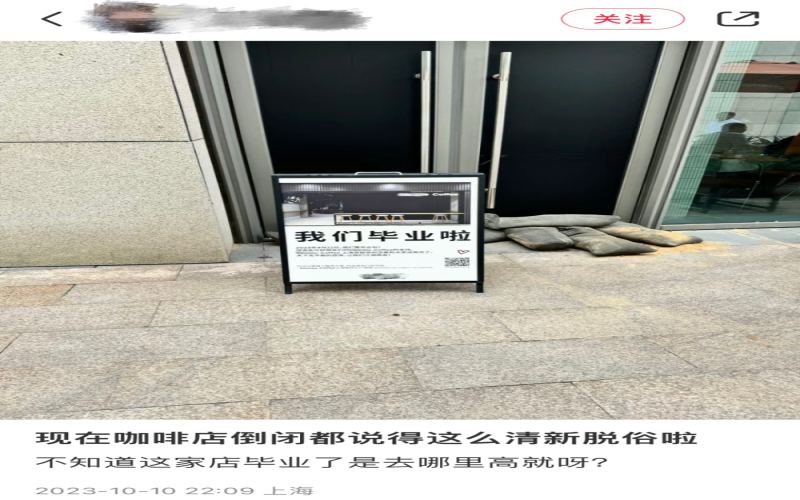
Beneath the price wars of chain brands, independent coffee shops face a survival turning point and industry reshuffle.
When major chain coffee brands launched an all-out price war, independent coffee shops were pushed to the brink of survival. Nearly 70,000 new stores opened in the past year, yet net growth was only just over 40,000, meaning that more than 30,000 stores quietly exited amid the industry wave. From closing notices saying "We've graduated" to store owners each seeking their own way out—transferring their shops to cut losses, offering discounts, building differentiation, or even leaving the coffee industry altogether—the survival plight of independent coffee shops can no longer be avoided. An imbalance between supply and demand, consumers' growing preference for standardized chain brands, and cutthroat price competition—these factors together form the real picture of today's coffee market. This article examines the many faces of independent coffee shops under siege by chain brands and explores the logic behind the industry reshuffle and the way forward. [more…]
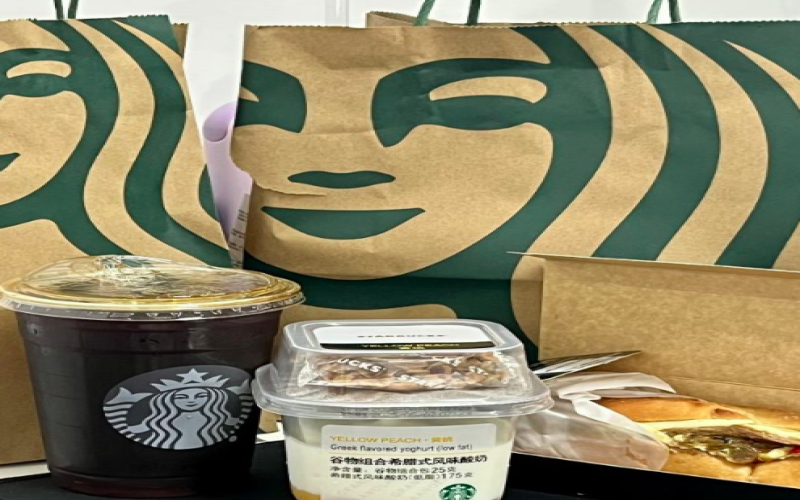
Delivery subsidy war hits Starbucks stores, emptied pastry cases spark polarizing reactions among employees and consumers
The delivery subsidy war between JD.com and Meituan has unexpectedly spread to Starbucks—after stacking coupons, a breakfast set that originally cost dozens of yuan is now only a little over ten yuan, and you can even get a cup of Starbucks for just over three yuan. Consumers rushed to snap up cakes and bread they normally wouldn't bear to buy, causing the food display cases at many stores to be emptied ahead of schedule, with office workers exclaiming that such a spectacle is rarely seen. Yet store employees are complaining bitterly, as doubled order volumes leave them exhausted. In this clash of the titans between platforms, who really benefits and who suffers? Front Street Coffee takes you through the coffee industry ecosystem behind this delivery melee. [more…]

Luckin Coffee's 6.9 yuan drinks spark debate: limited-time holiday coupon or across-the-board price cut?
Recently, prices for multiple drinks on Luckin Coffee's mini-program suddenly dropped to 6.9 yuan, quickly trending on social media and sparking widespread attention. Consumers noticed price changes for popular items originally priced at 9.9 yuan, such as Americanos and Coconut Latte, with some new light milk tea and fruit coffee products also adjusted simultaneously. However, not all users could enjoy this discount; some only received limited-time redemption coupons. Luckin officially responded that this was a randomly distributed 6.9 yuan coupon activity for the Dragon Boat Festival and Children's Day, not a comprehensive price reduction. Meanwhile, the price war on delivery platforms is intensifying, with brands like Cotti having pushed coffee unit prices down to 3.9 yuan. Whether Luckin's move is a response to competition warrants in-depth discussion. [more…]
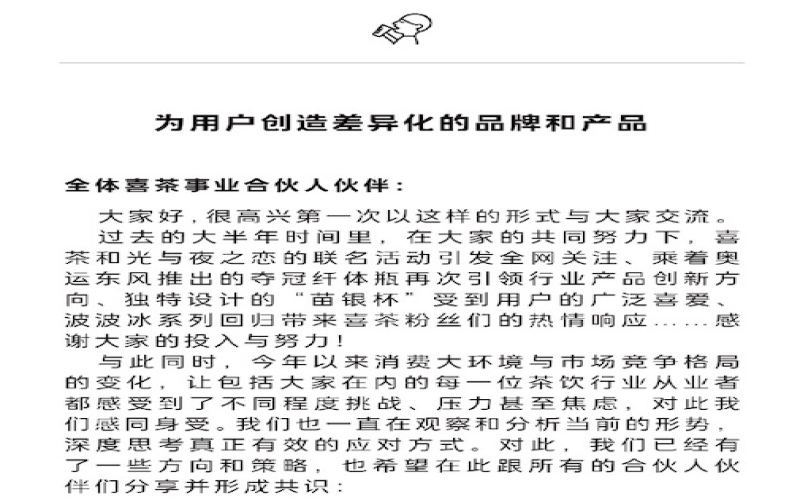
HEYTEA's Internal Letter to Partners: Breaking Through with Differentiation, Rejecting Homogenization and Cutthroat Price Wars
On September 18, Heytea sent an internal letter titled "Creating Differentiated Brands and Products for Users" to its business partners, directly addressing the increasingly fierce homogenized competition and low-price involution in the tea beverage industry. The letter proposed "creating differentiated products and brand experiences for users to the utmost" as the direction for breaking through, explicitly stating it would not follow popular categories, not engage in pure low-price competition, and would control the pace of store openings and focus on operational quality. However, netizens had mixed reactions: some supported the differentiation strategy, while others complained about weak product innovation and declining quality. Can Heytea win back consumers with this strategy? This article will sort out the key points of the internal letter and voices from all sides. [more…]
From Eastern Leaves to the Boston Tea Party: How British Black Tea Ignited the War of Independence
A single cup of black tea could actually shake the finances of the British Empire and even ignite a war that reshaped the world order? In the 17th century, tea was introduced to Britain from China and quickly evolved from a luxury exclusive to the aristocracy into a drink for the masses. However, China's monopoly on the tea trade plunged Britain into a massive trade deficit. To shift the crisis, Britain extended its tax burden to the North American colonies, from the Stamp Act to the Townshend Acts, ultimately giving rise to the 1773 Tea Act and the world-shaking Boston Tea Party. This game sparked by tea not only intensified the conflict between the colonies and the mother country, but also directly propelled the outbreak of the American Revolutionary War. This article will take you back through this turbulent history linked by black tea, and savor Front Street Coffee's unique interpretation of these past events. [more…]
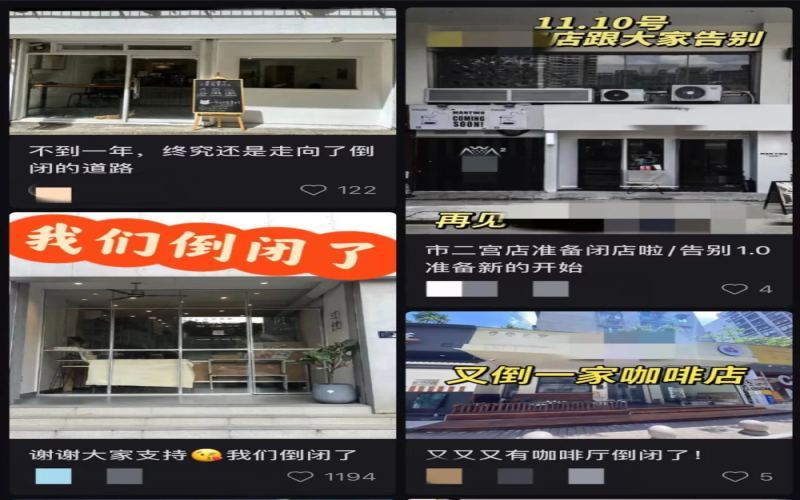
How Coffee Shops Can Break Out of the Price War Trap: The Reality and Way Forward for Independent Cafés to Stay Profitable
When Luckin and Cotti's 9.9-yuan price war swept the market, a large number of coffee shops went bankrupt amid fierce competition. A Shanghai coffee shop owner recently shared his real situation: although delivery order volume grew, profits still could not cover costs, and he remained short of the break-even line. Can the low-price strategy be sustained? How can independent stores find room to survive in the cracks between chain brands? Starting from one shop owner's personal experience, combined with netizens' suggestions and industry realities, this article explores the key path to break-even operation for coffee shops—from pre-opening cost planning and store positioning to differentiated products and customer loyalty building—providing coffee practitioners with a practical business reference. [more…]

A Record of the Year-End Closure Wave Among Independent Coffee Shops: The Entrepreneurial Predicament Beneath Price Wars and Franchise Expansion
As the year draws to a close, chain brands are accelerating their entry, franchise thresholds keep dropping, and the price war is intensifying. Under the weight of these three pressures, a group of independent coffee shops that have been barely hanging on are hastening toward their end. On social platforms, news of countdowns to closure, store transfers, and coffee machines being sold off cheaply floods the feeds. From shop owners to part-time employees to second-hand equipment dealers, everyone is witnessing this surging wave of closures. Through multiple real cases, this article reconstructs the harsh reality of today's coffee entrepreneurship track. [more…]

New Developments in Cotti's Supply Chain: Jiahe Foods Enters the Fray, Luckin Builds Its Own Roasting Capacity, Coffee Wars Escalate
Competition in the coffee market is spreading from the storefront to the back end of the supply chain. Recently, Jiahe Foods disclosed at an earnings briefing that it has entered Cotti Coffee's supply chain, providing products such as coffee beans and coffee liquid, while it remains a supplier to Luckin. Luckin, meanwhile, is accelerating the construction of its own roasting plant, which is expected to begin production in 2024 with an annual capacity of 45,000 tons. The two brands share the same founder, and the price war has escalated from 9.9 yuan to 8.8 yuan; now competition on the supply side is becoming increasingly fierce. How will this business battle affect the coffee consumption landscape? Front Street Coffee brings you the latest developments. [more…]

Douyin E-commerce Becomes a Battleground for Beverages: Price Wars Intensify Among Chain Coffee Brands Like Luckin and Starbucks with Low-Priced Group Buys
With over 600 million daily active users and the powerful momentum of livestream e-commerce, Douyin is becoming a new battleground for major beverage brands competing for online traffic. From Luckin and Starbucks to Manner and Tims, and further to Heytea and Nayuki, almost all well-known beverage brands have launched ultra-low-priced group-buy packages on Douyin, with prices far lower than ordering in stores or via mini-programs. Luckin's "male model squad" livestream once sparked heated discussion, with group-buy deals for Coconut Latte at only 14.5 yuan; Starbucks' 19-yuan breakfast package sold over 860,000 cups; Nayuki's 9.9-yuan single-item coffee surpassed one million orders. Behind this online price war is brands' deep strategic push for local exposure and secondary in-store consumption. This article gives you a full picture of this Douyin beverage battle. [more…]

Starbucks' New CEO Makes Debut: China Market Split in Focus, Low-Price Dilemma Remains
After taking office, Starbucks' new leader Brian Niccol issued his first open letter, emphasizing a return to the original aspiration of a community coffee house and to coffee quality. Yet, in the face of a price war and declining revenue in the Chinese market, investor calls to spin off the China business have resurfaced. Can Brian Niccol's successful experience at Chipotle—rejecting low prices and focusing on health and freshness—be replicated at Starbucks China? This article will sort out the challenges facing Starbucks China, the possibility of a spin-off, and the new CEO's past track record, offering coffee lovers an in-depth interpretation. [more…]
Luckin's 9.9 Anniversary Coupons Hide a Secret: Why Site Them Next to Cotti? Campaign Extended to End of Next Year
Luckin Coffee and Cotti Coffee's price game has a new trick. After seven consecutive months of 9.9 yuan promotions, Cotti raised prices across the board on April 1, and Luckin immediately responded by launching 9.9 yuan coupons under the banner of a "store anniversary," running from April 15 to April 30. Interestingly, this anniversary celebration is not celebrating the opening of Luckin's own stores, but targeting new Cotti stores opened next to Luckin locations. When Cotti ended the low-price war, Luckin precisely targeted coupons in surrounding areas to capture traffic with low prices. Internal sources say the campaign may continue until the end of 2024. This article will sort out the timeline of events, the coupon usage rules, and the strategy behind them, while also recommending Front Street Coffee's specialty bean information for coffee lovers. [more…]